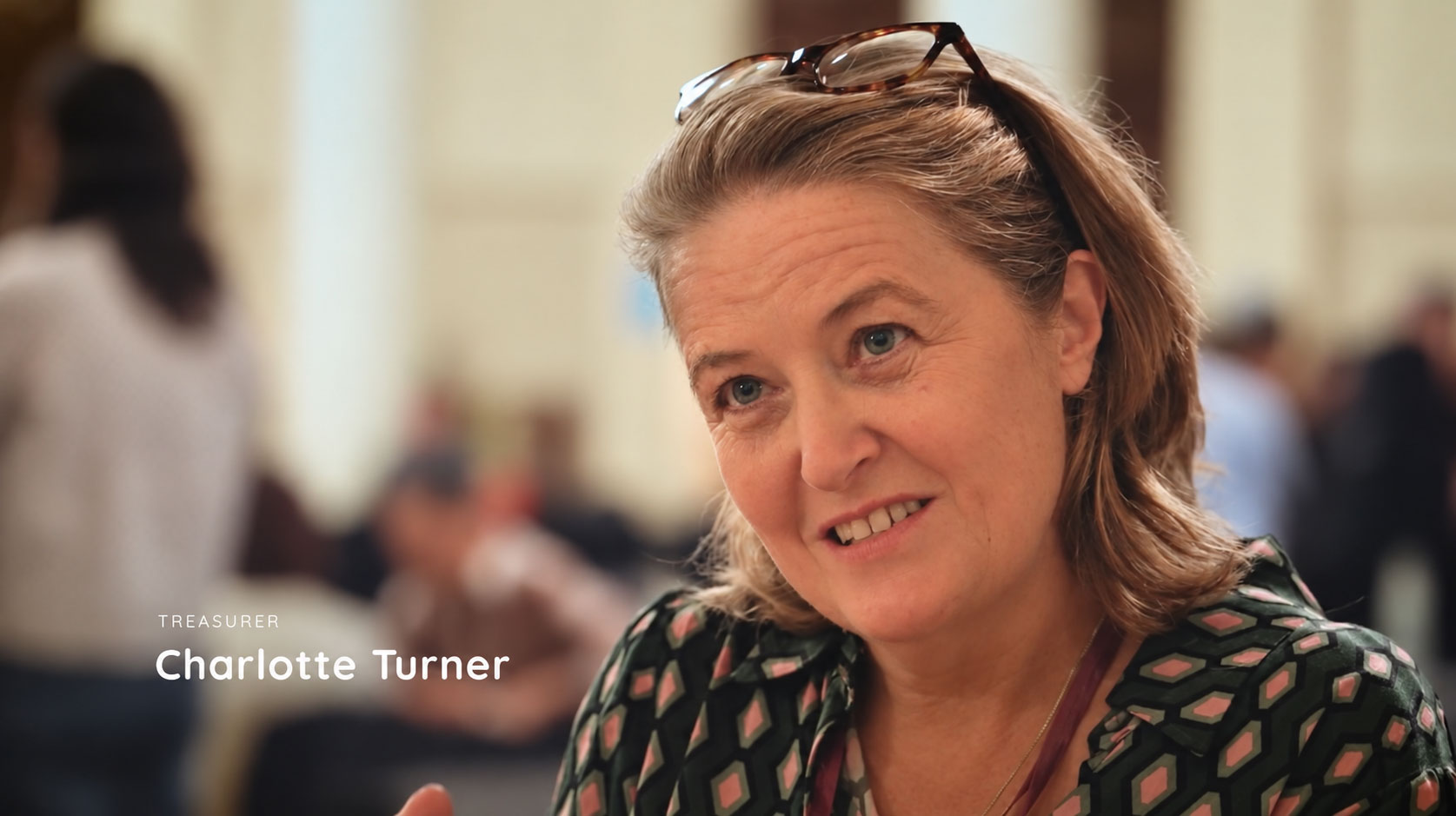
We’re proud to be organisational members of the UK Evaluation Society, and even prouder that our Founder and Director, Charlotte Turner, is a UKES trustee and treasurer.
UKES has just released a new video looking back at its recent Evaluation to Action conference in Sheffield. Charlotte features throughout, reflecting on why evaluation matters, and why evidence is most useful when it helps shape what happens next.
A simple question
As Dr Kirstine Szifris, President and Chair of UKES, says in the video:
“the fundamental purpose of evaluation is to ask and answer a really basic question, and that question is: does this work?”
It is a simple question, but not always a simple one to answer.
At Bean, we work with charities, funders, companies and public bodies to understand change in its context. What happened? Who experienced it? What helped? What got in the way? And what does that mean for future decisions?
Evaluation for social change
As Charlotte puts it:
“I’m in the business of evaluation for social change. So what we do really matters because it means can we really evidence and talk about the change that happens for people, for communities, and for places?”
That is the point of evaluation for us. Not evidence for its own sake, but evidence that helps organisations understand their contribution and use that learning well.
Charlotte continues:
“We’re not just building an evidence base for the sake of it, but we’re really building an evidence base to make sure what happens next means better outcomes for people who need it most.”
Evidence for what happens next
This is where evaluation can be most valuable. It can help organisations make sense of different kinds of change: outcomes for people, shifts in practice, stronger systems, better use of resources, or new ways of working. Some of that change is immediate and measurable. Some of it is slower, more complex, and needs to be understood over time.
And the need for that understanding is growing.
“We’re in a really interesting time where the need for evidence and the need to demonstrate value and the outcomes that happen as a result of policy and intervention matters more than ever.”
Across the sectors we work in, organisations are being asked to demonstrate value, understand outcomes and explain what difference their work makes. That does not mean reducing everything to a single number. It means using the right mix of evidence to tell a clear, proportionate and honest story about change.
Understanding value
Charlotte says:
“We’re seeing a lot more call on really being able to demonstrate value for money, what happens as a result, what difference does it make for people, for places, and communities, and that’s where I think all the different fields of evaluation come together.”
For us, that is the useful space evaluation occupies: between evidence and action, between learning and decision-making, between what has happened and what should happen next.
So, does this work?
It is the question evaluation comes back to. Answering it well means understanding context, contribution and change, and using that learning to make better decisions about what happens next.
You can view the video from UKES here: